Check out the Advantages of Energy-Efficient Windows for Sustainable Living
Energy-efficient windows play an important duty in sustainable living. They significantly decrease energy intake and reduced utility expenses, enhancing general interior convenience. Additionally, these windows add to environmental sustainability by decreasing greenhouse gas exhausts. As property owners seek means to improve their home, the selection of windows can have long-term results. Understanding exactly how to choose and keep these vital features is crucial for optimizing their advantages. What factors should one consider when making this significant financial investment?
Comprehending Power Performance in Windows

Financial Cost Savings Through Energy-Efficient Windows
Just how much can house owners save by buying energy-efficient windows? The possibility for considerable financial cost savings is considerable. Energy-efficient windows are designed to lower cooling and heating expenses by reducing heat transfer. Homeowners can anticipate to save between 10% to 25% on their power costs every year, relying on local environment and the existing window problem. Additionally, these home windows usually receive tax credit ratings and rebates, further improving their price.
In time, the first investment in energy-efficient windows typically spends for itself via reduced energy costs. The increased residential property value associated with energy-efficient upgrades can generate lasting monetary advantages. Home owners additionally delight in reduced maintenance prices, as energy-efficient windows are usually extra durable and resistant to use. Eventually, the economic benefits of setting up energy-efficient windows make them a sensible choice for those wanting to improve their home's sustainability while conserving cash.
Enhancing Convenience in Your Home
Buying energy-efficient windows not only leads to economic savings but also considerably improves the comfort of a home. These home windows provide exceptional insulation, properly managing interior temperatures by decreasing heat transfer. During warm summertime, energy-efficient home windows minimize extreme warmth buildup, maintaining living rooms cooler. On the other hand, in wintertime, they preserve heat, making certain a comfy atmosphere.
Furthermore, these home windows frequently include low-emissivity finishes and multiple panes, which minimize drafts and chilly spots that can interrupt comfort. By restricting condensation on the glass, they likewise help preserve interior air top quality, stopping mold development and promoting a much healthier space.
Beyond temperature level control, energy-efficient home windows can additionally minimize environmental pollution, developing a quieter home atmosphere. On the whole, house owners can appreciate an extra comfy, welcoming environment, making energy-efficient windows a useful enhancement to any residence.
Environmental Impact of Energy-Efficient Windows
The environmental impact of energy-efficient home windows is substantial, particularly relating to decreasing carbon impacts. By minimizing energy consumption for cooling and heating, these home windows add to source preservation and reduced greenhouse gas discharges. Their adoption in domestic and business structures plays an important duty in promoting sustainable living techniques.
Decreased Carbon Impact
Energy-efficient home windows significantly add to a reduced carbon footprint by lessening power usage in structures. These home windows are made to boost thermal insulation, stopping warm loss in wintertime and minimizing the demand for extreme home heating. In warmer months, they aid maintain interior spaces cooler, consequently lowering the reliance on air conditioning. By utilizing much less power for heating & cooling, buildings with energy-efficient home windows significantly decrease greenhouse gas discharges linked with energy production. Furthermore, the production and installation of these windows typically call for fewer resources contrasted to typical home windows, better decreasing general emissions. The widespread fostering of energy-efficient home windows plays a crucial duty in combating climate change and advertising a lasting future for urban environments.
Source Preservation Benefits
While many factors contribute to resource preservation, energy-efficient windows considerably decrease the materials and power required for constructing construction and upkeep (Window Company). By minimizing heat loss and gain, these windows decrease the dependence on home heating and cooling down systems, leading to lower power consumption over time. This decrease not only preserves electrical sources however also minimizes the need for nonrenewable fuel sources, thereby sustaining sustainable power practices. Energy-efficient home windows often utilize recycled products in their production, which minimizes the requirement for virgin resources. The durability of these home windows also suggests less replacements, converting right into decreased waste and lower overall source removal. Eventually, the implementation of energy-efficient windows plays a necessary function in promoting resource conservation and improving ecological sustainability
Picking the Right Energy-Efficient Windows
Selecting the proper energy-efficient home windows requires cautious factor to consider of numerous elements, consisting of home window structure materials and glass performance scores. Various materials offer distinctive benefits relating to insulation and resilience, influencing general power efficiency. Furthermore, comprehending glass efficiency scores can help property owners make notified selections that boost convenience and decrease energy expenses.
Window Framework Products
Selecting the right home window frame materials is vital for improving a home's power effectiveness. Different materials use distinct advantages and drawbacks that can greatly influence efficiency. Plastic structures are prominent due to their exceptional insulation residential properties and reduced upkeep demands. Wood frames provide an all-natural visual and strong insulation, yet they may require regular upkeep to resist wetness and parasites. Aluminum structures, while lightweight and sturdy, usually carry out warmth and chilly, making them much less energy-efficient unless thermally damaged. Fiberglass frames integrate strength with website link excellent insulation but may come at a greater price. Eventually, picking the right framework material relies on balancing aesthetic preferences, climate factors to consider, and budget plan restrictions, making sure visit our website maximum power efficiency and sustainability for the home.
Glass Performance Rankings
Glass efficiency ratings play an important role in establishing the energy performance of windows. These scores evaluate different factors, consisting of thermal insulation, solar warm gain, and light transmission. Common metrics consist of the U-factor, which measures heat transfer; the Solar Warmth Gain Coefficient (SHGC), indicating exactly how much solar warmth enters a home; and Noticeable Passage (VT), which evaluates the quantity of natural light that travels through. Picking windows with low U-factors and suitable SHGC worths ensures that homes stay comfy while reducing energy intake. Furthermore, Power Star accreditation can direct consumers towards high-performing products. By understanding these scores, home owners can make informed choices that advertise sustainability and reduce power costs, eventually adding to an extra energy-efficient living setting.
Installation and Upkeep Tips for Longevity
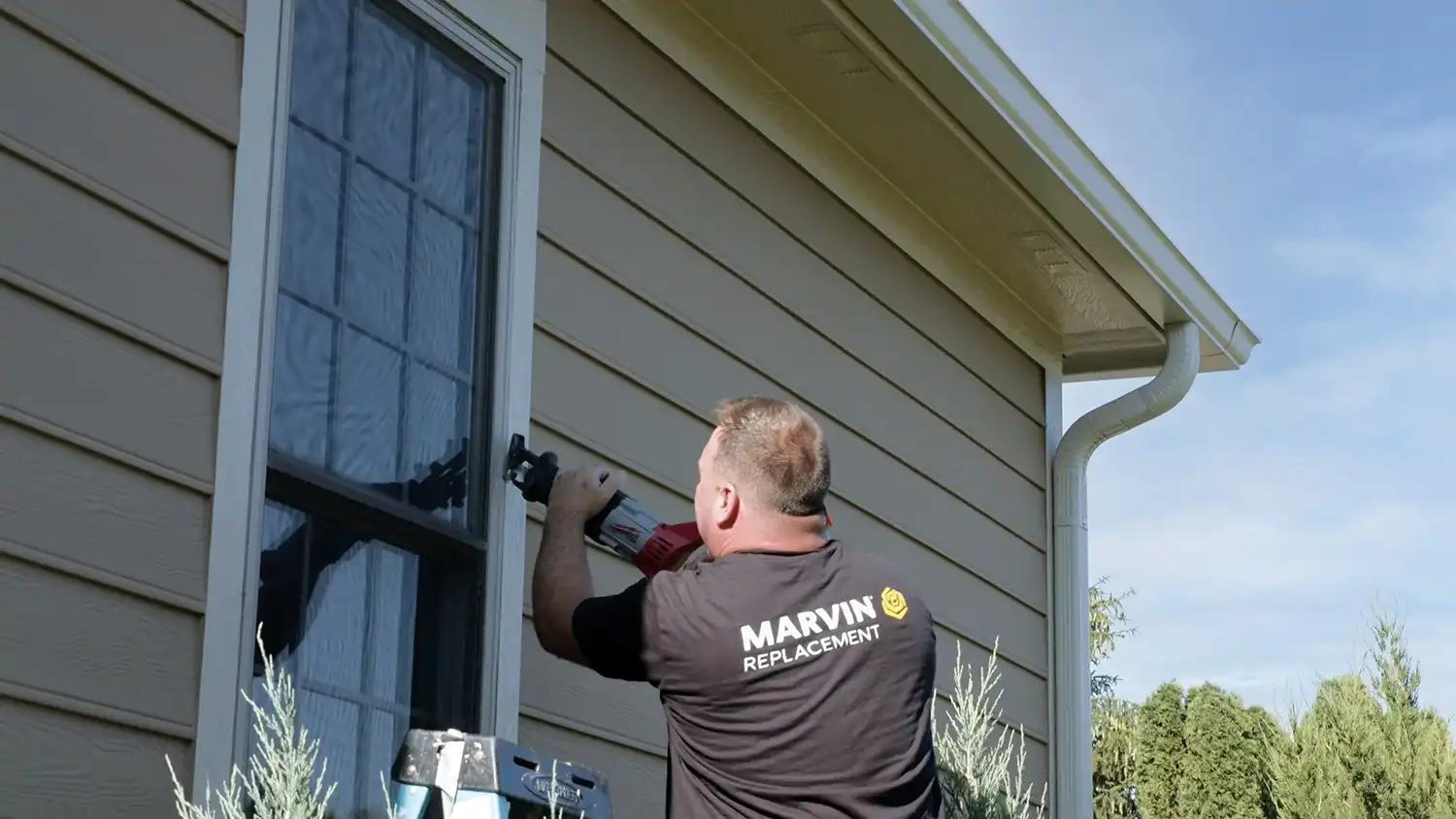
Mounting energy-efficient windows can significantly enhance a home's sustainability, correct setup and upkeep are essential for maximizing their benefits and longevity. First, employing a specialist for installation is necessary; they assure that the home windows fit appropriately, stopping air leakages and wetness invasion. It is suggested to comply with producer guidelines closely and to check neighborhood structure codes.
Routine maintenance is similarly important. Property owners ought to clean the window structures and glass occasionally to eliminate dust and particles that can impact efficiency. Inspecting seals and weatherstripping for wear can prevent energy loss; changing harmed parts immediately is important. In addition, using a UV-protective movie can enhance resilience versus sun direct exposure.
Finally, scheduling regular analyses with a professional can aid identify possible concerns early, guaranteeing that energy-efficient windows proceed to execute successfully and contribute to lasting living. Complying with these installation and upkeep suggestions will greatly extend the life of these beneficial home investments.
Often Asked Questions
Do Energy-Efficient Windows Reduce Environmental Pollution in Houses?
Energy-efficient home windows considerably reduce sound pollution in homes. Their advanced insulation products and layout properly obstruct external sounds, producing a quieter indoor setting. Homeowners frequently observe a substantial decrease in noise disruptions from outdoors.
Can Energy-Efficient Windows Rise Home Resale Worth?
Energy-efficient home windows can indeed increase home resale Read Full Article value. Their charm depends on minimized power expenses, improved convenience, and sustainability, making buildings much more appealing to ecologically mindful purchasers looking for contemporary features and long-term savings.
Exist Tax Obligation Credit Histories for Setting Up Energy-Efficient Windows?
Yes, there are tax obligation credits available for setting up energy-efficient windows. Home owners might receive federal tax motivations, which can considerably minimize setup expenses while promoting power preservation and enhancing total home effectiveness.
Just How Do Energy-Efficient Windows Affect Indoor Air High Quality?
Energy-efficient home windows can favorably impact indoor air high quality by preventing and decreasing drafts moisture build-up, thereby reducing mold and mildew growth. Furthermore, they assist maintain a consistent temperature, adding to a healthier living environment on the whole.
What Materials Are Generally Utilized in Energy-Efficient Windows?
Typical materials made use of in energy-efficient windows consist of low-emissivity glass, insulated frameworks, and argon or krypton gas loads (Replacement Windows). These materials improve thermal efficiency, decrease warmth transfer, and contribute to total power financial savings in commercial and residential structures
Energy-efficient windows greatly add to a decreased carbon footprint by decreasing energy consumption in structures. By using much less energy for home heating and cooling, structures with energy-efficient home windows substantially reduce greenhouse gas discharges associated with power production. Furthermore, the production and setup of these windows often require fewer sources compared to standard windows, additionally reducing overall discharges. While several elements add to resource conservation, energy-efficient windows substantially reduce the products and power needed for developing construction and maintenance. Selecting the appropriate energy-efficient windows needs careful factor to consider of different aspects, consisting of home window framework products and glass performance rankings.
Comments on “Why experienced Window Installers are essential in modern home efficiency upgrades”